
Home / Treatments / TMJ Pain & Headaches
Jaw pain, headaches and neck tension can occur together — but the cause is not always straightforward.
Understanding what may be contributing to your symptoms is the first step towards developing an appropriate, individualised management plan.
At the Sydney Centre for TMJ & Sleep Therapy, we assess the jaw joints, jaw muscles, teeth, head and neck symptoms and, where clinically indicated, sleep and breathing factors, nutritional factors and emotional factors that may be relevant to your condition.
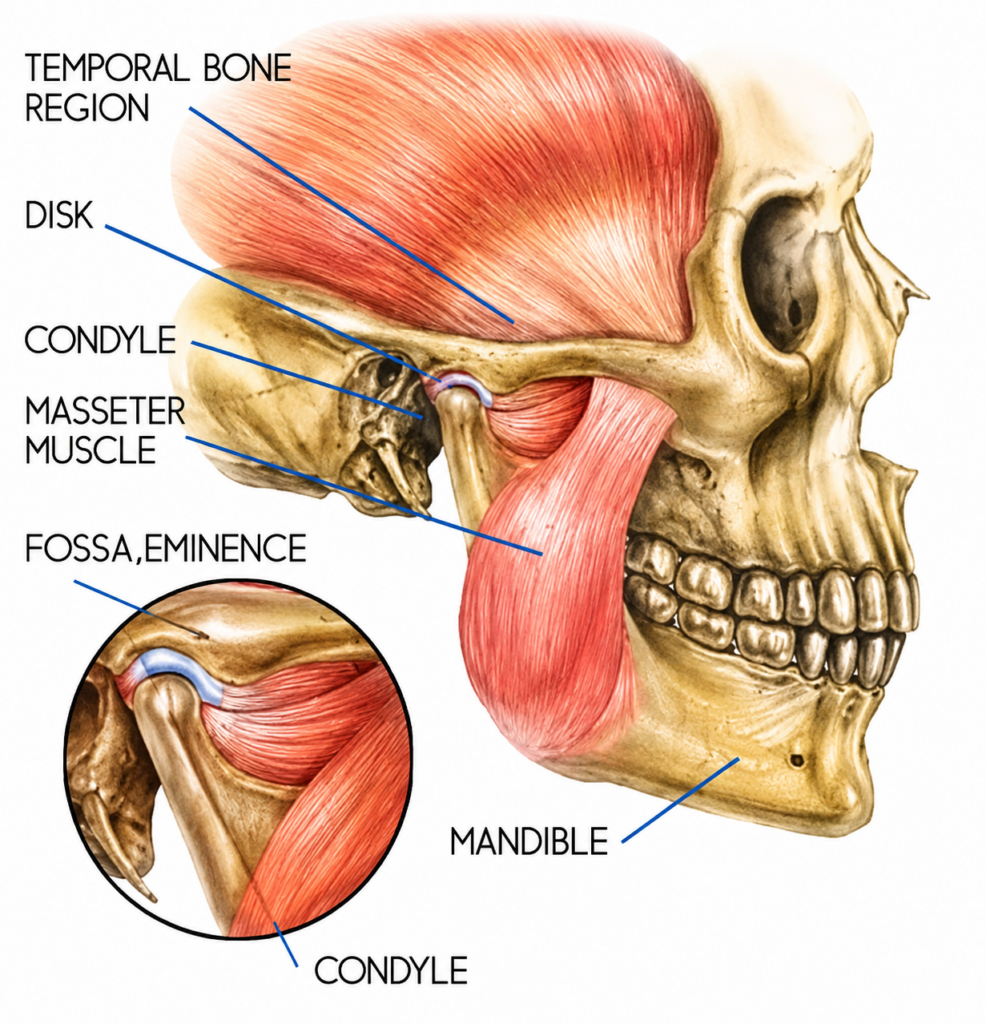
Temporomandibular Joint Anatomy
The basics
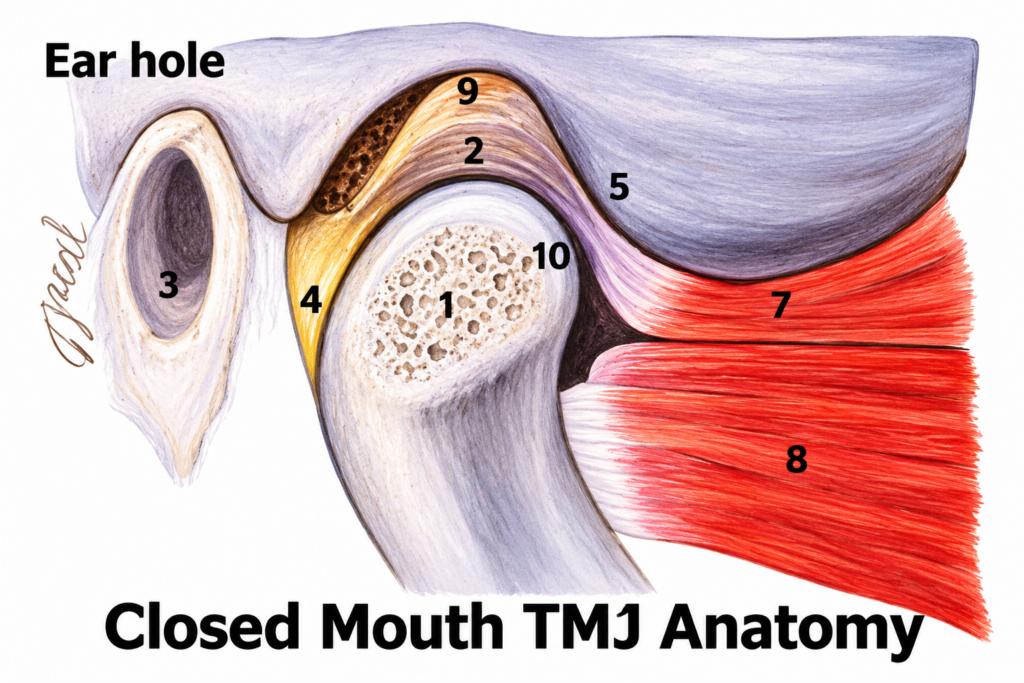
The temporomandibular joint (TMJ) connects your lower jaw to the skull — specifically the temporal bone — just in front of each ear. It’s one of the most complex and frequently used joints in the body, working every time you speak, chew, yawn or swallow.
Because it’s made up of bone, muscle, ligaments, nerves, blood vessels and a protective disc, problems can arise from any one of these structures. That’s why an accurate diagnosis matters — pain in the same place can have very different causes.
Understanding Your Symptoms
There is rarely one single cause of TMD.
Jaw pain can arise from the joint itself, the surrounding muscles and ligaments, dental structures or, less commonly, other neurological or medical conditions.
A range of factors may contribute, including previous injury, repetitive jaw loading, clenching or grinding, joint inflammation or degeneration, changes within the TMJ, pain sensitisation, sleep disturbance, and behavioural or psychosocial factors.
For some people, symptoms develop after a clear injury. For others, they develop gradually over time.
Type 01
A significant injury involving the jaw, head or neck may contribute to the development of TMD symptoms.
Examples can include a motor vehicle accident, sporting injury, direct blow to the jaw or face, whiplash, or another event that places substantial force through the jaw and surrounding structures.
Not every injury results in persistent TMJ problems, but a history of trauma can be clinically relevant when investigating symptoms.
Type 02
Repeated loading of the jaw may contribute to muscle or joint symptoms in some people.
One possible contributor is bruxism — repetitive jaw-muscle activity that involves clenching or grinding the teeth.
Bruxism can occur while awake or during sleep, and the factors associated with each can be different.
It is important to remember that bruxism does not automatically mean you have TMD, and not everyone with TMD grinds their teeth.
Some useful questions to consider
Have you previously injured your jaw, face, head or neck?
Did your symptoms begin following an accident, sporting injury, or a period of prolonged jaw opening?
Have you noticed yourself clenching your jaw during the day?
Has anyone heard you grinding your teeth while you sleep?
Do you regularly wake with jaw fatigue, tenderness, or tooth sensitivity?
If you are unsure, a clinical assessment can identify findings that may help determine whether jaw-muscle activity or other factors could be contributing to your symptoms.
Recognising Possible Bruxism
Bruxism can sometimes be associated with changes to the teeth, jaw muscles, and surrounding tissues.
However, none of the findings below confirms bruxism on its own, and many of these findings can occur for reasons unrelated to grinding or clenching.
01
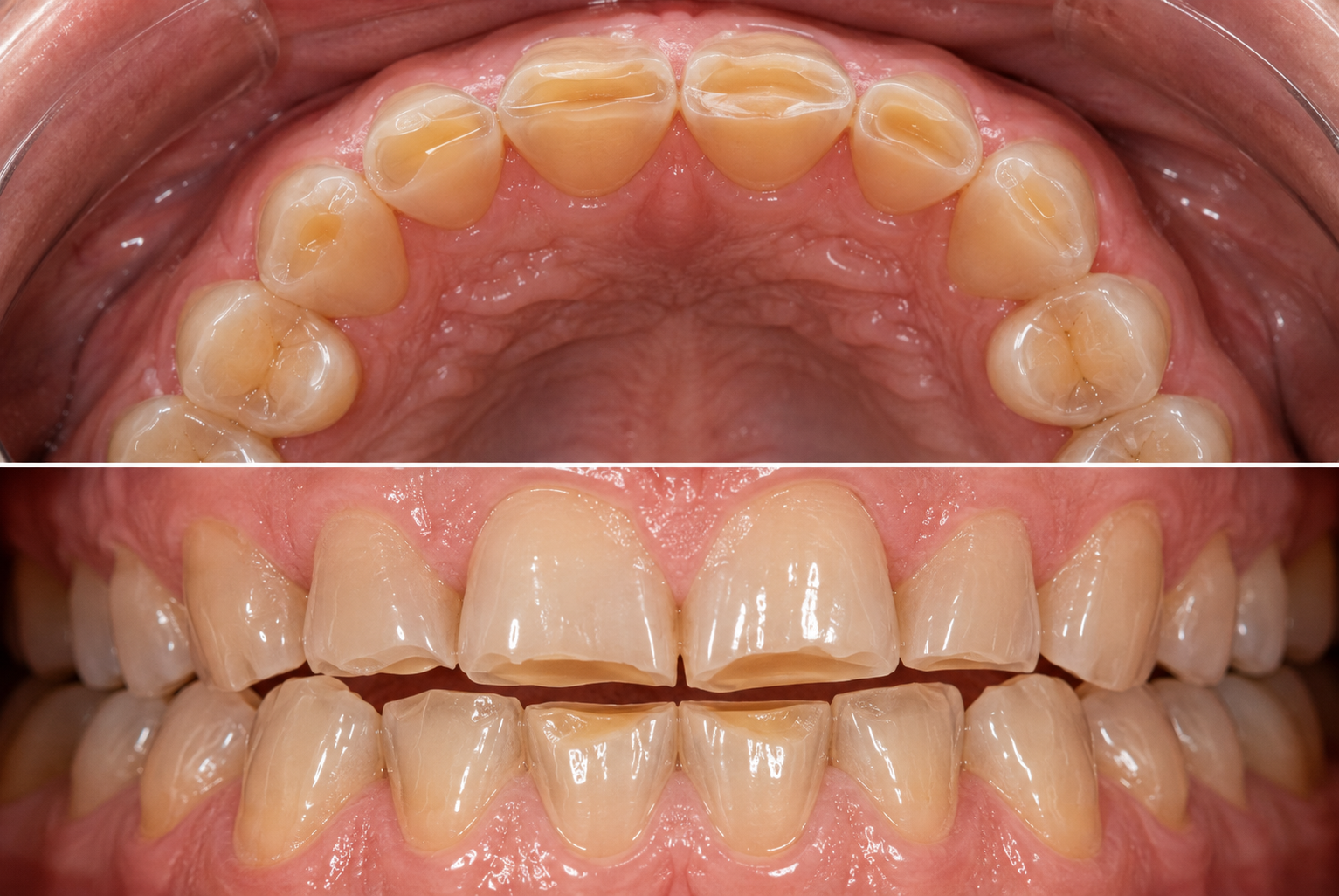
Flattening or loss of tooth structure may occur over time.
Tooth wear can have several causes, including mechanical wear, dietary or gastric acids, and other dental factors. Its pattern and severity therefore need to be interpreted carefully.
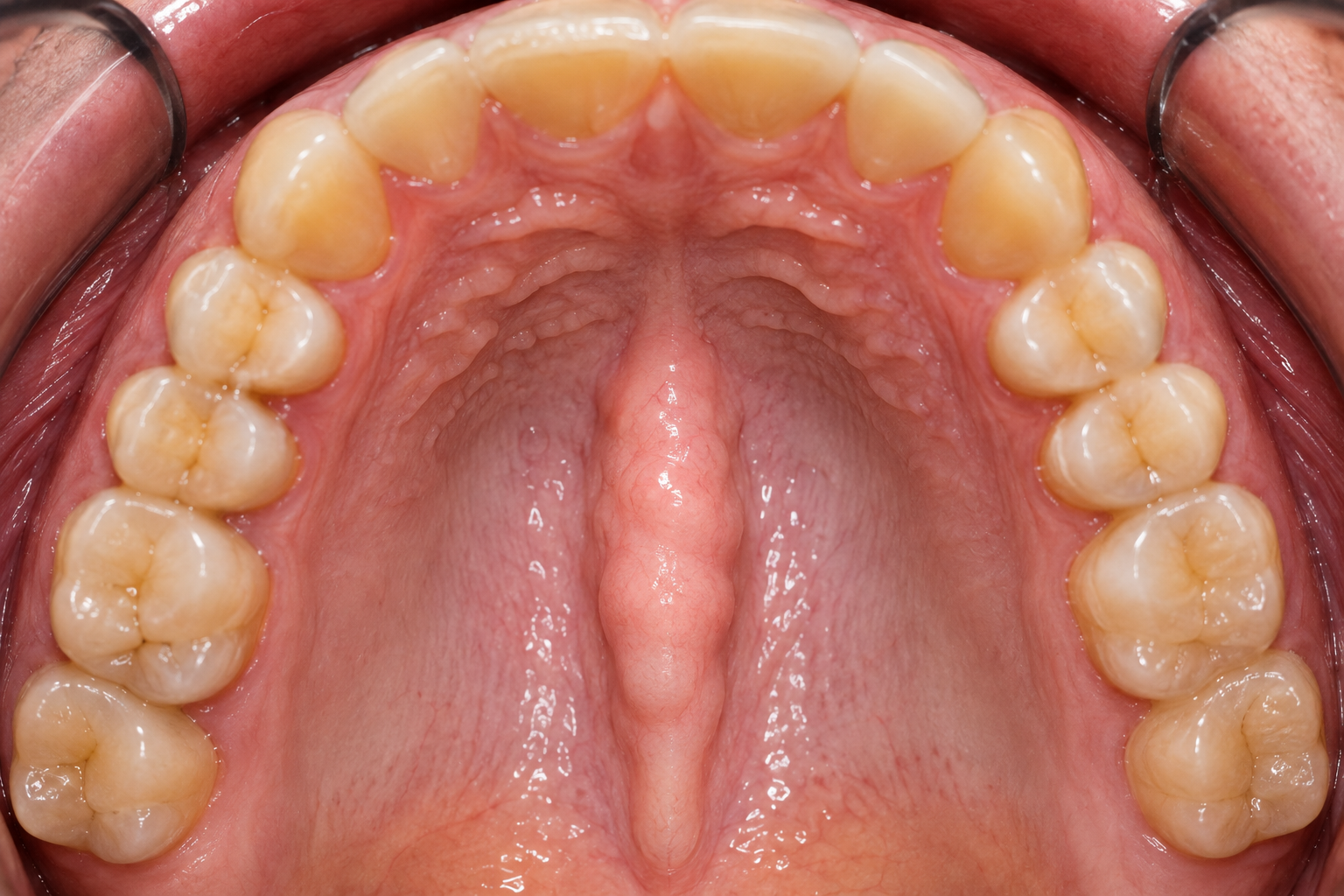
Tori are benign bony growths that can occur along the inside of the lower jaw or on the palate.
Their development appears to involve several factors, which may include genetics and mechanical loading.
The presence of tori alone does not diagnose bruxism.
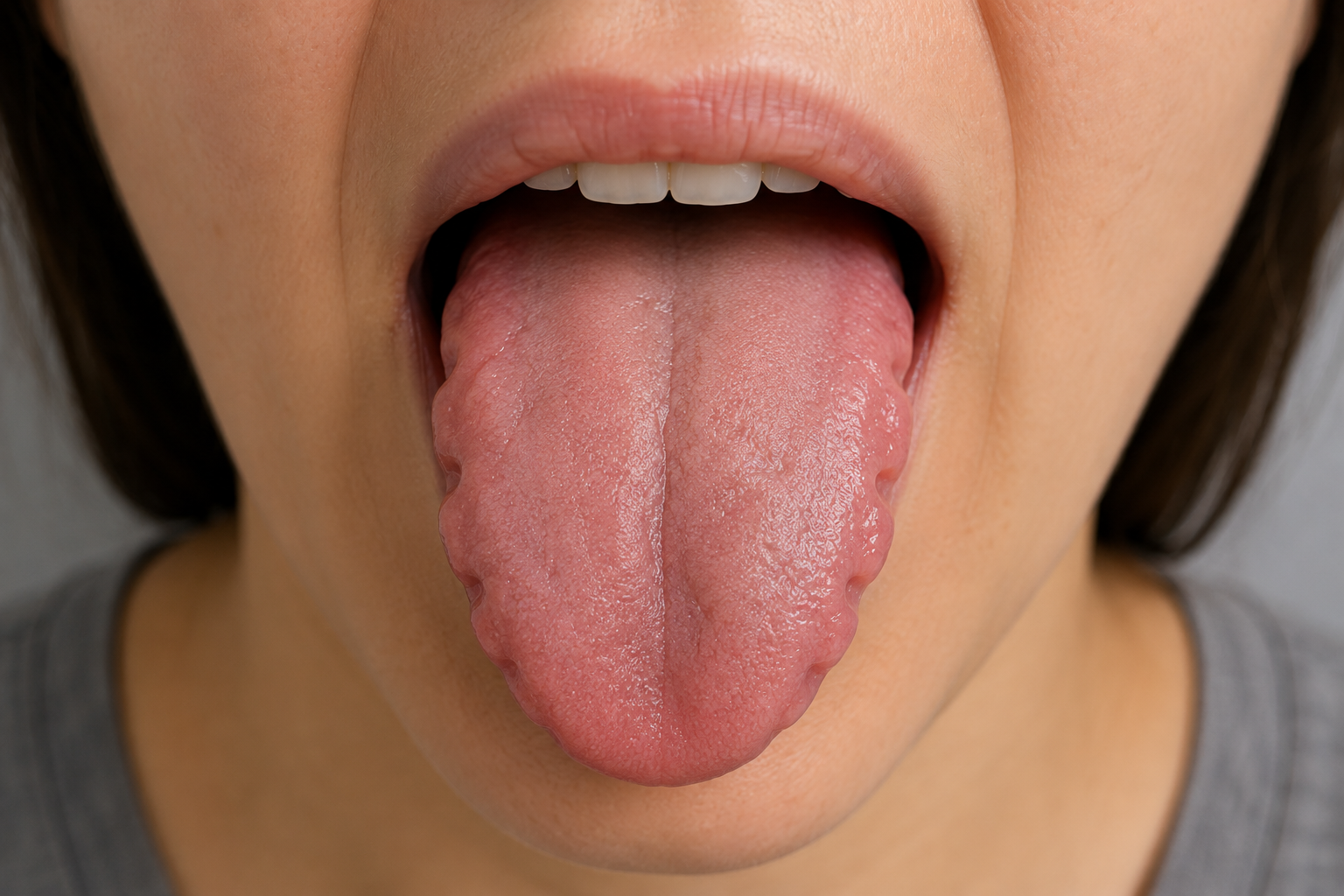
Indented or wavy impressions along the side of the tongue can sometimes be seen where the tongue rests against the teeth.
Tongue scalloping can occur for several reasons and should be considered together with the rest of the clinical examination.
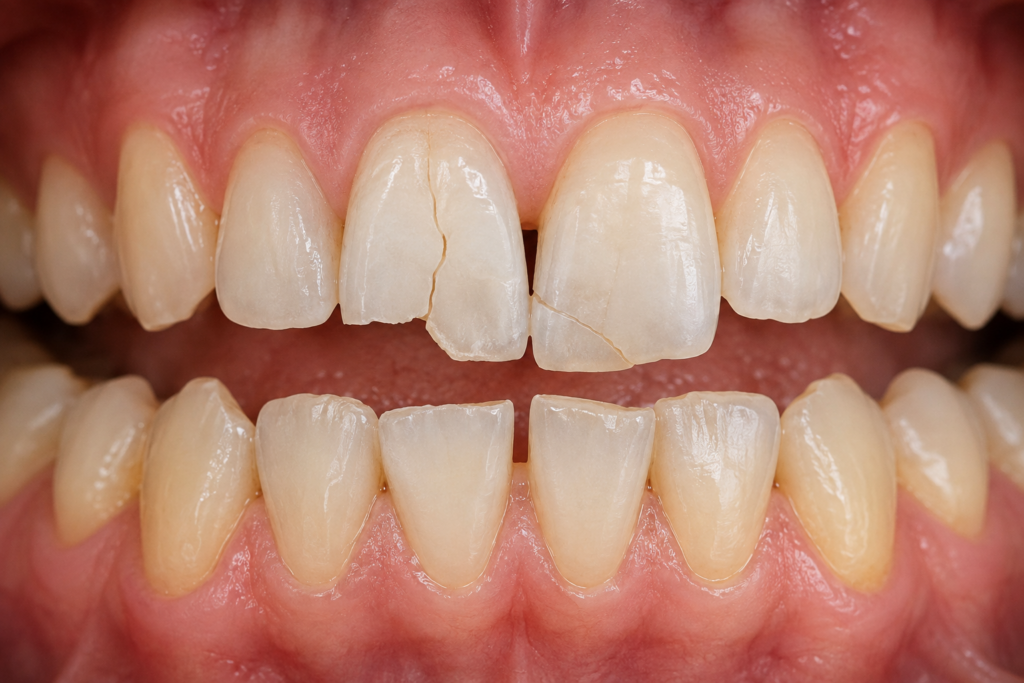
04
Heavy or repetitive jaw loading may contribute to damage involving teeth or restorations in susceptible individuals.
However, cracks and fractures can also result from existing restorations, structural weakness, trauma, tooth anatomy and other dental factors.
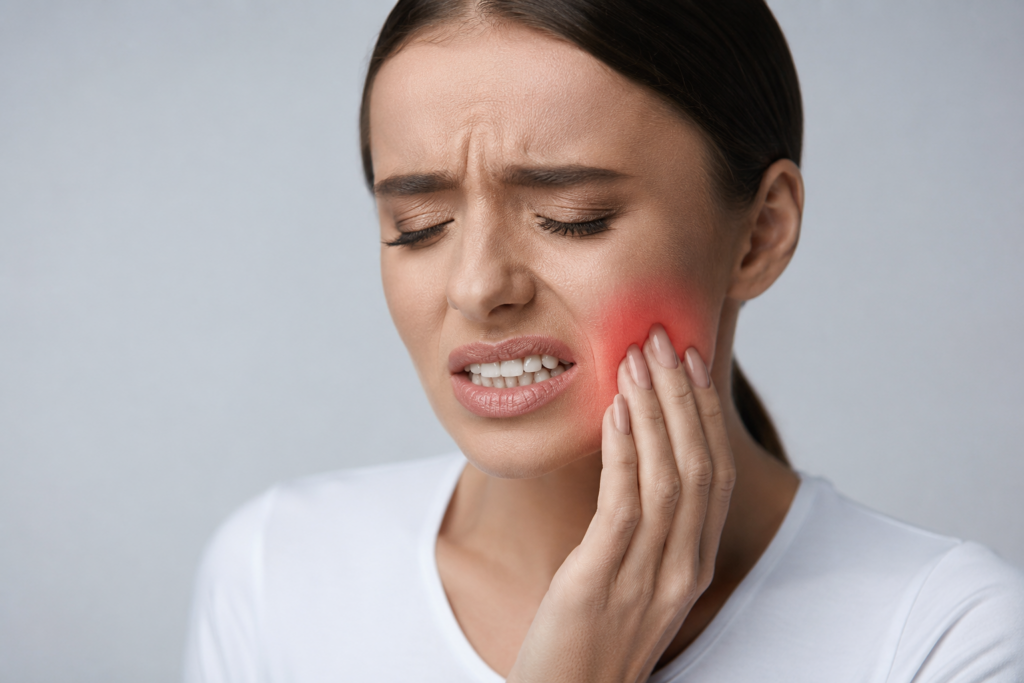
Some people with increased jaw-muscle activity experience aching or tenderness around the jaw, temples, face or teeth.
Symptoms may be more noticeable on waking in some patients.
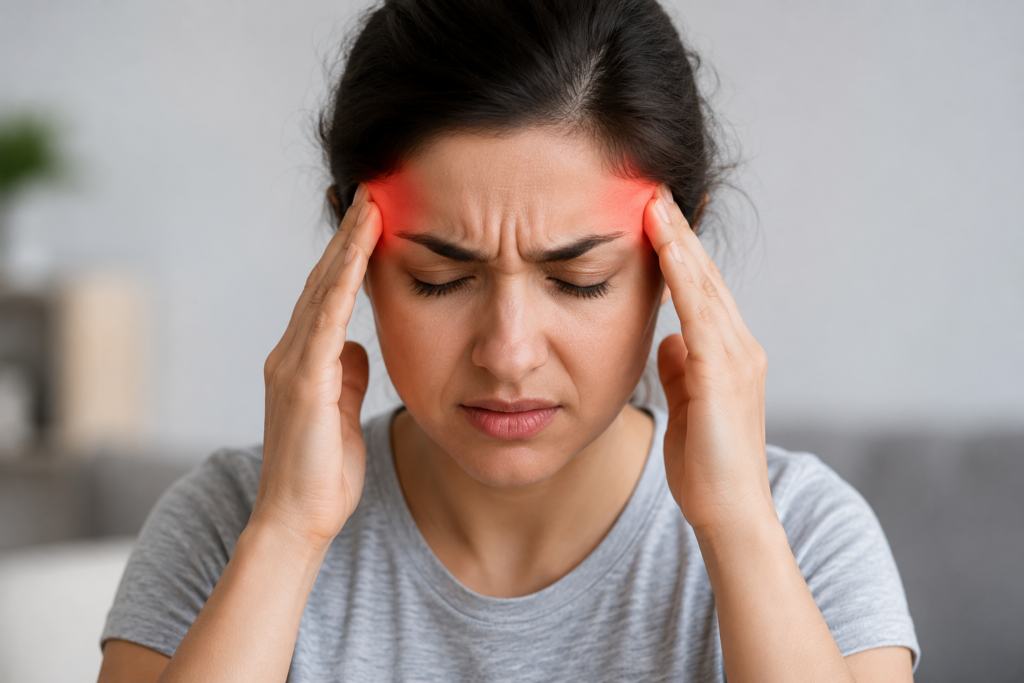
TMD and jaw-muscle tenderness can occur alongside certain headache disorders.
Headaches have many potential causes, however, so recurrent headaches should not automatically be attributed to the jaw.
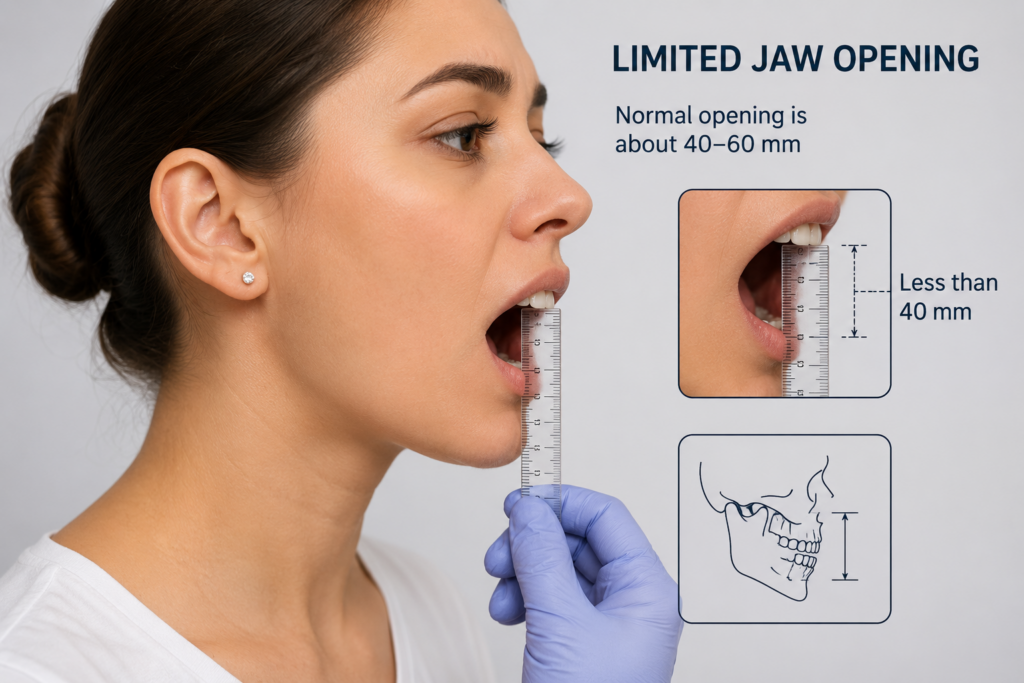
TMD may sometimes cause difficulty opening the mouth comfortably or fully.
Some people describe stiffness, catching or a sensation that the jaw is temporarily stuck.
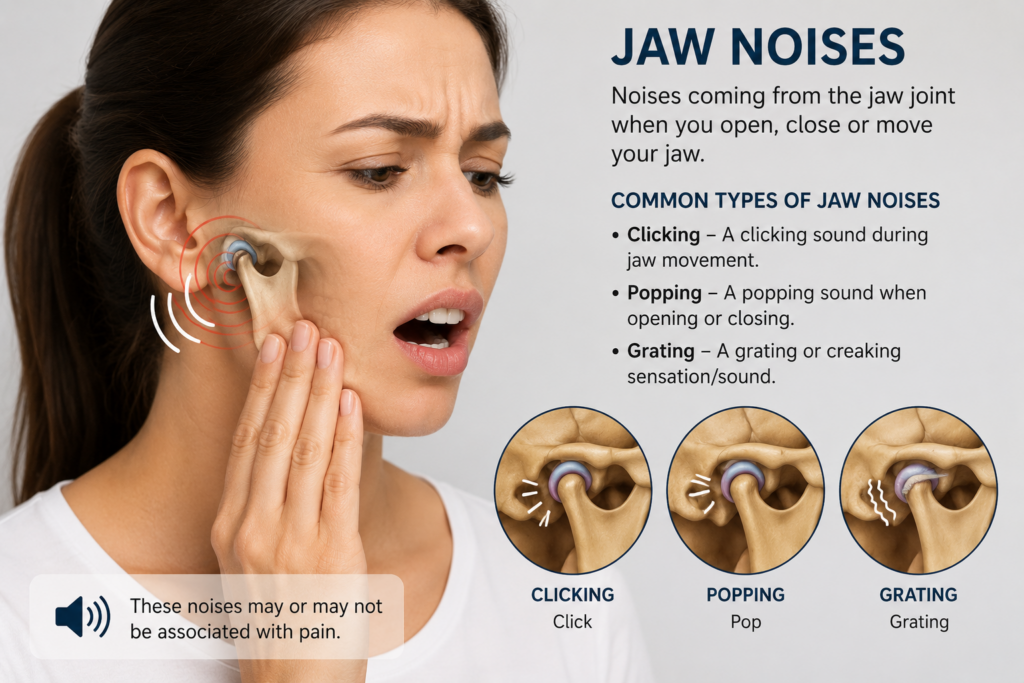
Clicking, popping or other joint noises are common.
They may occur with changes in the movement of the TMJ disc or other joint structures.
Importantly, jaw noises without pain or limitation of movement do not always require treatment.
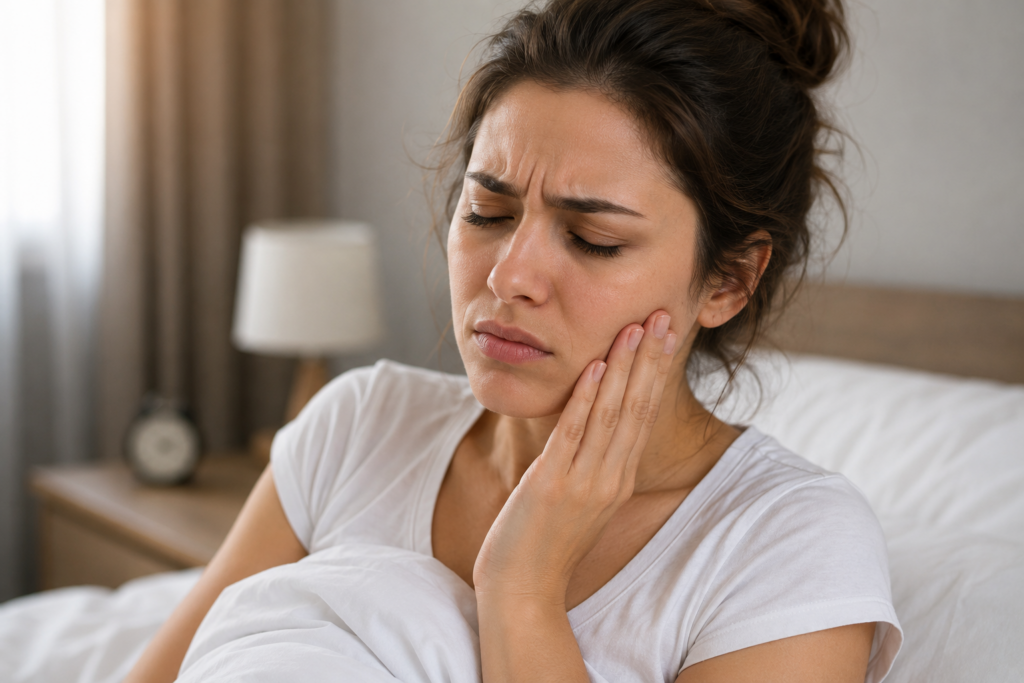
Some people wake with tired, tender or fatigued jaw muscles.
This can occur with sleep-related jaw-muscle activity, although other possible causes should also be considered.
The Neck, Shoulders & Jaw
The jaw, head, and neck do not function independently.
The muscles and joints involved in jaw movement interact with the muscles that control the head, neck, and shoulders. As a result, jaw symptoms and neck symptoms can sometimes occur together.
Posture, muscle tension, pain sensitivity, sleep quality, work habits, and other musculoskeletal factors may all contribute.
Breathing patterns may also be relevant in selected patients.
For example, persistent nasal obstruction and mouth breathing can coexist with altered head and neck posture. However, the relationship between breathing, posture, and pain is complex and does not mean that nasal obstruction is necessarily the cause of neck or jaw pain.
Where symptoms suggest impaired nasal breathing or another airway problem, further assessment may be appropriate.
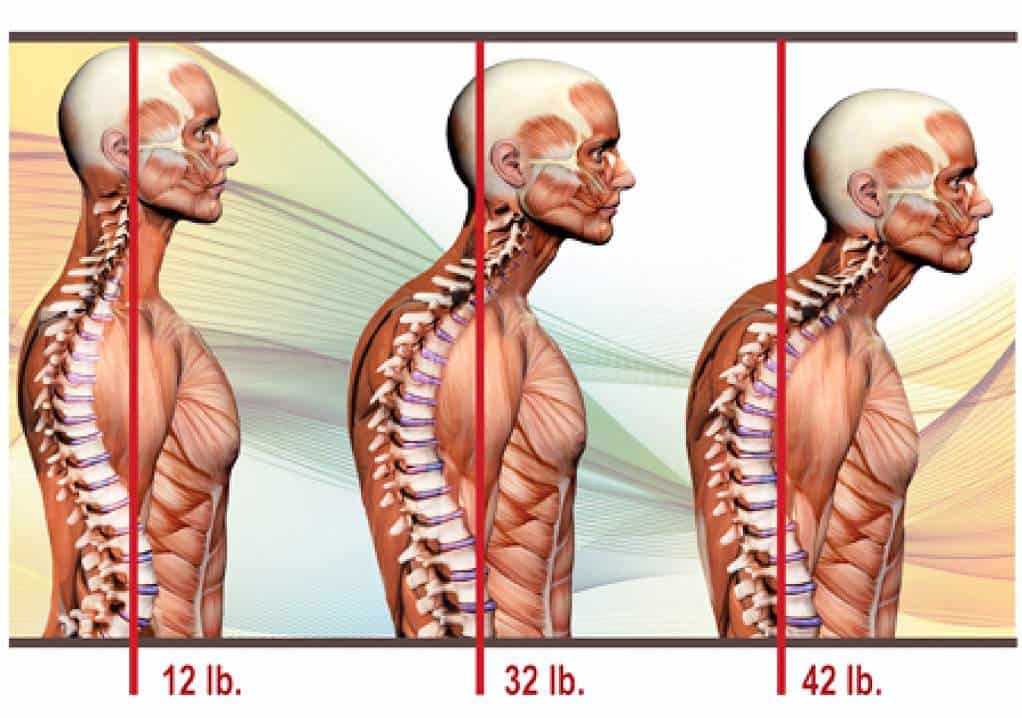
Each inch of forward head adds load to the spine
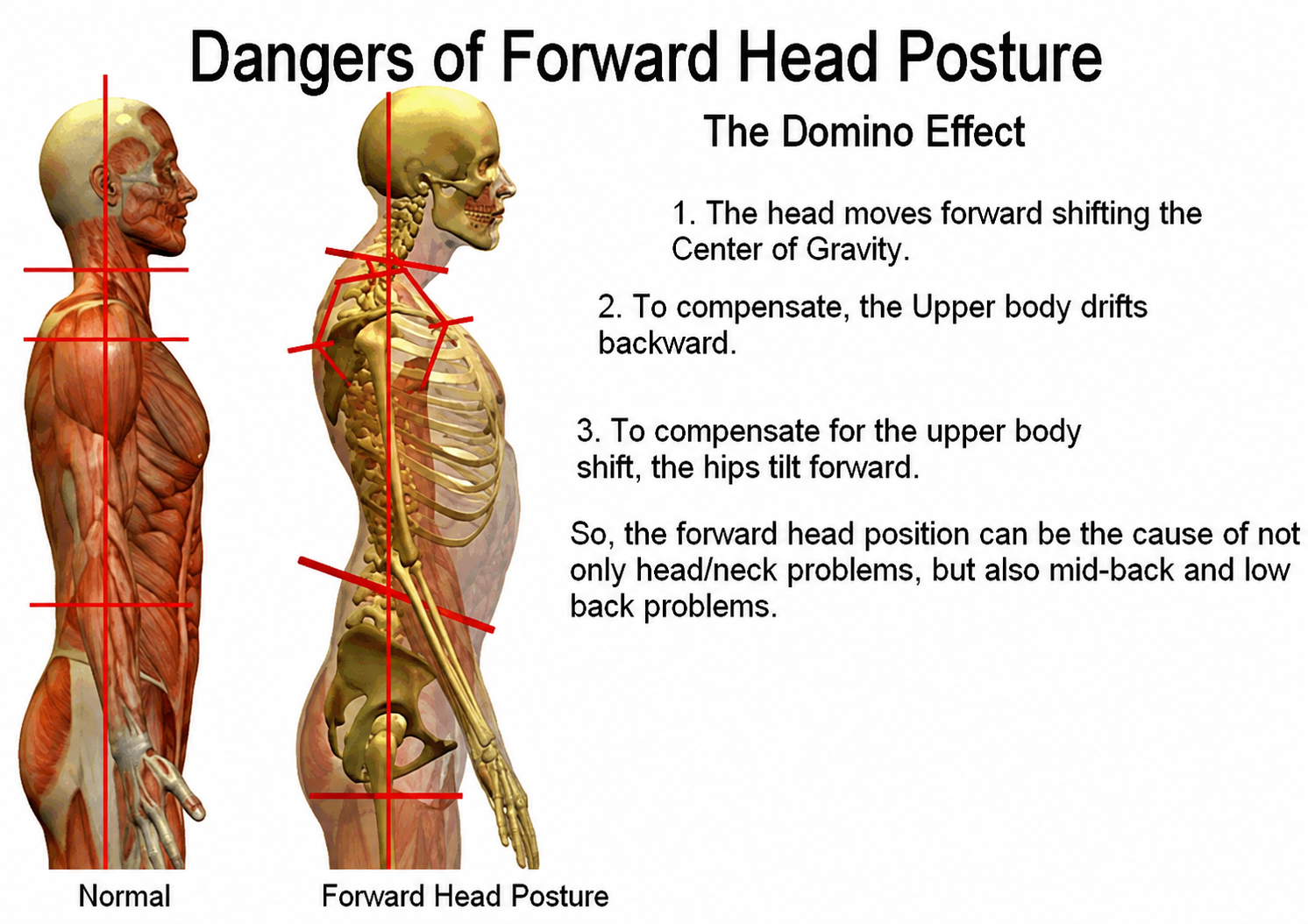
The domino effect of forward head posture
Bruxism & Headaches
Bruxism, temporomandibular disorders, sleep disturbance and headache disorders can occur together.
In some people, increased activity or tenderness of the jaw and temple muscles may contribute to head or facial pain.
However, this relationship is not the same for everyone.
A person can have bruxism without headaches, headaches without bruxism, or both conditions for unrelated reasons.
Migraine, tension-type headache and other headache disorders are also common and may require medical assessment.
The aim of assessment is therefore not simply to assume that a headache is coming from the jaw, but to determine whether the jaw and associated muscles appear to be contributing to the overall clinical picture.
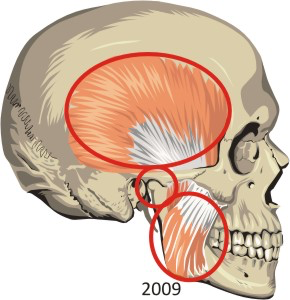
Muscles that become tender during bruxism
of patients with night-time bruxism also experience headaches.
the biting force used by people who grind, compared with those who don’t.
Rule Out Other Causes
Yes.
Pain around the jaw, temples, face, ears, teeth or head can have many different causes.
These may include temporomandibular disorders, dental conditions, migraine, tension-type headache, sinus or ear conditions, neuralgic pain, musculoskeletal problems and other medical disorders.
An important part of assessment is recognising when symptoms do not appear to originate from the jaw.
Where appropriate, we may recommend evaluation by your general practitioner, medical specialist or another healthcare professional.
New or severe headache, neurological symptoms, significant facial swelling, fever, recent major trauma or other concerning symptoms may require prompt medical assessment.
Stress, Clenching & Persistent Pain
It can be.
Stress does not mean that pain is “all in your head.”
Pain is a real biological experience influenced by many interacting factors.
In some people, stress may increase awake clenching, muscle tension and pain sensitivity. Poor sleep, anxiety, persistent pain and emotional distress can also influence one another.
For this reason, stress-management strategies or psychological therapies may sometimes form part of a multidisciplinary approach to persistent TMD pain.
They are not required for every patient and are recommended according to individual circumstances.
Our process
Effective management begins with establishing the most likely diagnosis and identifying the factors that may be contributing to your symptoms.
Not every patient requires the same investigations.
Your assessment is tailored to your history, symptoms and clinical findings.
We begin with a detailed history of your symptoms.
This may include when the problem began, previous injuries, jaw function, dental symptoms, headaches, clenching or grinding, sleep, breathing and other relevant medical factors.
The clinical examination may assess jaw range and pattern of movement, joint sounds, muscle and joint tenderness, bite and dental findings and other relevant head and neck structures.
The aim is to determine whether your symptoms are most consistent with a muscular TMD, joint-related TMD or another condition that requires further investigation.
Sleep and jaw-muscle activity can interact in some patients.
If your history suggests snoring, obstructive sleep apnoea, disrupted sleep or another sleep disorder, further sleep assessment may be appropriate.
This does not mean that every person with TMJ pain requires a sleep study.
Where clinically indicated, we may recommend or arrange appropriate sleep investigation to determine whether a sleep disorder is present and whether it needs separate management.
Most TMD assessment begins with history and clinical examination rather than imaging.
When the diagnosis is uncertain or specific joint, dental, skeletal or airway information is required, appropriate imaging may be considered.
Different imaging techniques provide different information.
The decision to recommend imaging depends on your symptoms, clinical findings and the specific diagnostic question being investigated.
Imaging findings are always interpreted together with the clinical assessment rather than being used alone to determine the cause of pain.
If a nutritional deficiency or hormonal assessment is required, then a blood test may be recommended.
We always interpret the findings alongside the clinical assessment, rather than using them alone to determine the cause of pain.
Our Integrated Approach
TMD can involve more than one contributing factor, which means management is not necessarily the same for every person.
Your treatment plan depends on your diagnosis, symptoms, contributing factors, general health and individual needs.
Not every patient requires every treatment described below.
Where possible, management generally begins with appropriate conservative and reversible approaches.
Oral Appliance Therapy — When Appropriate
Different oral appliances are used for different clinical purposes during NIGHTTIME
In selected patients, an individually prescribed appliance may form part of the management of jaw symptoms.
For patients with an appropriately diagnosed sleep-related breathing disorder, a mandibular advancement appliance may also be considered where clinically suitable. It may also alter or reduce sleep-bruxism activity in some patients.
These are separate clinical indications, and the type of appliance recommended depends on the individual diagnosis.
Potential benefits, limitations and relevant side effects are discussed before treatment.
Nasal & ENT Assessment — When Indicated
Persistent nasal obstruction may affect breathing and sleep quality.
When the history or examination suggests a significant nasal or upper-airway problem, assessment by an Ear, Nose and Throat specialist or another appropriate healthcare professional may be recommended.
Referral does not necessarily mean that surgery will be required.
Breathing Retraining
In selected patients with dysfunctional breathing patterns or persistent mouth-breathing behaviours, appropriately supervised breathing retraining may be considered.
Its role depends on the underlying cause of the breathing pattern.
Orofacial Myofunctional Therapy
Orofacial myofunctional therapy involves exercises and behavioural strategies relating to tongue posture, lips, cheeks and other orofacial muscles.
It may have a role in selected patients as part of broader management, particularly when specific functional or sleep-related indications are present.
TMJ Physiotherapy
TMJ Physiotherapy may help selected people with TMD, particularly where muscle- or movement-related factors are contributing.
Treatment may include appropriate jaw exercises, manual therapy, education and management of associated neck or postural factors.
Where indicated, we work with physiotherapists experienced in managing temporomandibular and craniofacial conditions.
Oral Appliances
Some patients may benefit from an individually prescribed oral appliance as part of conservative TMD management during DAYTIME
The design and purpose of an appliance depend on the diagnosis.
Appliances are not appropriate for every type of jaw pain, which is why they should be prescribed following an appropriate assessment rather than simply on the basis of symptoms.
Nutritional Supplements and Medical Management
Sleep quality, physical activity, diet, medication use and general health can influence pain and recovery.
Where clinically relevant, these factors may be reviewed as part of a broader assessment.
Nutritional supplementation may sometimes be required for TMD. Where a clinically meaningful nutritional deficiency or hormonal changes are suspected or identified, appropriate investigation and management may be discussed.
Multidisciplinary Pain Management
Persistent pain can become complex.
Where symptoms continue despite appropriate initial management, collaboration with other healthcare professionals may be recommended.
Depending on the circumstances, this could include a physiotherapist, medical practitioner, pain specialist, neurologist, psychologist or another appropriately qualified clinician.
Injectables, Dry Needling, Lasers
Therapies such as B. Tox, Prolotherapy, PRP, Acupuncture, Low Level Laser therapy may help selected people with TMD.
These are separate clinical indications, and the recommended treatment depends on the individual diagnosis.
Psychology & Persistent Pain
Persistent pain can affect sleep, mood, concentration and quality of life.
At the same time, stress, anxiety, poor sleep and other psychological factors can influence how the nervous system processes pain.
Where appropriate, working with a psychologist or other suitably qualified clinician may form part of multidisciplinary persistent-pain care.
This does not imply that the pain is imagined or purely psychological.
Relaxation, Mindfulness and Meditation
Relaxation techniques, mindfulness, meditation, exercise or other stress-management approaches may help some people manage stress and persistent pain.
These strategies are complementary components of care rather than substitutes for appropriate diagnosis and treatment.
Monitoring Your Progress
Your progress is reviewed according to your diagnosis and the treatment being provided.
We assess changes in symptoms, jaw function and other relevant clinical findings and adjust the management plan where appropriate.
Some TMD conditions improve relatively quickly, while others fluctuate or require longer-term management.
No treatment can guarantee a particular outcome, and response varies between individuals.
Our aim is to use the least invasive appropriate management and involve other healthcare professionals when the clinical situation requires it.
improve dramatically
We review you regularly until we’ve achieved maximal medical improvement — the point at which your body has healed as much as it can, based on your compliance and your body’s own capacity to recover.
Take the First Step
If jaw pain, headaches, facial pain or difficulty using your jaw are affecting you, an assessment can help determine whether a temporomandibular disorder may be contributing.
Your consultation is designed to establish the likely diagnosis, identify relevant contributing factors and determine whether further dental, medical, sleep, imaging or allied-health assessment is appropriate.
From there, we can discuss management options suited to your individual circumstances.
Book a consultation with Dr Manish Shah for an individual assessment of your jaw symptoms.
Suite 403, 307 Pitt Street Sydney NSW 2000
The information on this website is general in nature and is not intended to replace individual medical or dental advice, diagnosis or treatment.
Recommendations vary according to each person’s history, examination findings, diagnosis and individual circumstances. Where appropriate, referral to another healthcare professional may be recommended.