Children's Sleep Health

Persistent snoring in children deserves attention.

Persistent snoring may be associated with sleep-disordered breathing in some children. Early assessment can help identify possible contributing factors and determine whether further investigation or treatment is appropriate.
baby sleeping

Persistent Snoring

Regular snoring may indicate that a child would benefit from a professional assessment.

Healthy Sleep

Quality sleep supports healthy growth, learning and daily wellbeing.

Individual Assessment

Every child is different, and symptoms should be evaluated individually.

Early Evaluation

Seeking advice early may help identify sleep-related concerns sooner.

10%

of children snore

50%

of those have sleep apnoea

48%

of OSA kids on ADHD meds

15 IQ

points lost untreated

The Condition

Understanding sleep-related breathing concerns in children

Children can experience a range of sleep-related breathing concerns. While occasional snoring may occur, persistent snoring, restless sleep or breathing difficulties during sleep may warrant professional assessment. Every child is different, and treatment recommendations depend on individual findings following a comprehensive evaluation.

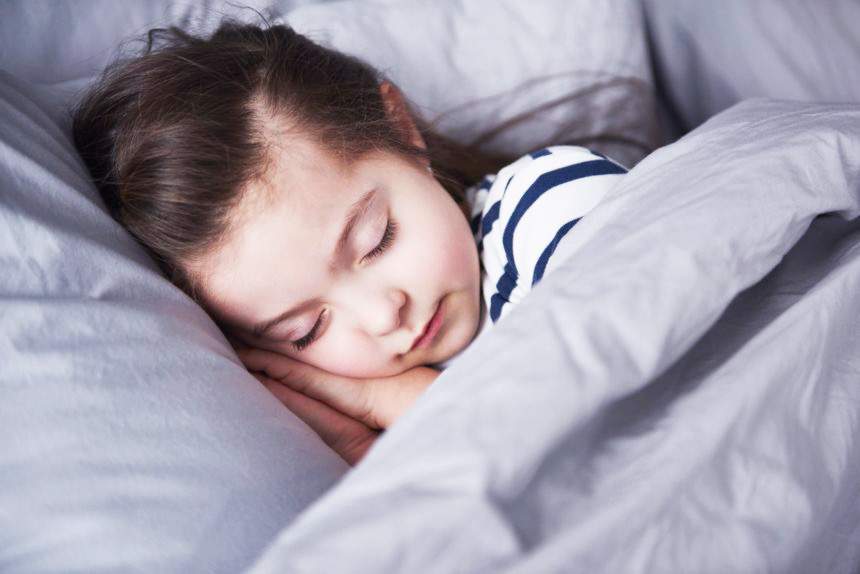
sleeping child

The ADHD Connection

Sleep-Disordered Breathing and Attention Difficulties

Sleep-disordered breathing can be associated with behavioural, attention and learning difficulties in some children. These symptoms may overlap with ADHD; however, obstructive sleep apnoea and ADHD are distinct conditions and can also occur together. A comprehensive clinical assessment can help determine the underlying cause of a child’s symptoms and guide appropriate management.

  • Persistent or loud snoring during sleep
  • Mouth breathing, especially at night
  • Restless or disrupted sleep
  • Daytime tiredness or difficulty concentrating
  • Behavioural or learning concerns
  • Morning headaches or waking unrefreshed
These signs do not necessarily indicate obstructive sleep apnoea or another sleep disorder. However, if they occur regularly or are causing concern, a professional assessment can help determine whether further investigation is appropriate.

4×

A child who snores is four times more likely to be in the bottom 25% of their class academically.

9×

A child with sleep apnoea is nine times more likely to be in the bottom 10% of their class.
 

48%

Of patients confirmed with OSA via sleep study had already been placed on ADHD stimulant medication — an avoidable situation with early screening.
 

2.5×

A child who snores from ages 2–6 and then stops is 2.5 times more likely to be in the bottom 25% intellectually — the damage is already done.
 
baby sleep apnoea white
Why It Matters

The risks of leaving children's OSA untreated.

Intellectual Impairment

Untreated OSA during development can permanently reduce a child’s cognitive potential by 10–15 IQ points.


Misdiagnosis as ADHD

Children are placed on stimulant medications for what is actually a treatable breathing disorder — avoidable with proper assessment.


Poor Facial Development

Chronic mouth breathing and jaw misalignment leads to poor craniofacial aesthetics and severe dental crowding.


Behavioural & Emotional Effects

Irritability, aggression, and social difficulties stemming from chronic sleep deprivation affect schooling and relationships.


Cardiovascular Strain

The heart pumps harder to compensate for low oxygen, contributing to long-term cardiovascular burden.


Missed Growth Window

Waiting until age 12 to seek help means missing the critical developmental window — treatment becomes more complex and less effective.


The Science Behind It

Why OSA causes bed wetting.

Nocturnal enuresis is common in children with obstructive sleep apnoea, and there is a clear physiological explanation.

Occasional snoring can occur in some children, particularly during a cold or nasal congestion. However, frequent or persistent snoring may be associated with sleep-disordered breathing and should be assessed by a qualified healthcare professional. An early evaluation can help determine whether further investigation or treatment is appropriate.

If your child snores regularly, breathes through their mouth during sleep, has restless sleep, pauses in breathing, daytime tiredness, or behavioural concerns that may be related to poor-quality sleep, it is advisable to arrange a professional assessment. A comprehensive evaluation can help identify possible contributing factors and discuss appropriate management options.
Treatment recommendations depend on the underlying cause and the individual child’s needs. Following a comprehensive assessment, your clinician will discuss suitable management options, along with the potential benefits, limitations, and any recommended follow-up care.
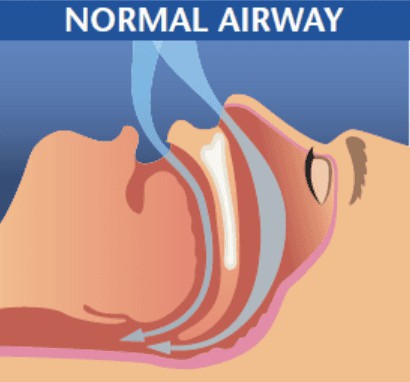
normal breathing

Our Practice

Five reasons our patients trust us.

01

Seen by an Expert

Dr Manish Shah holds BDS, MBBS and MMed (Sleep Medicine) — a rare combination of dental and medical expertise.

02

Top-Rated in Sydney CBD

5.0 Google Rating with hundreds of verified reviews from patients across Sydney.

03

Convenient Location

Above Town Hall Station with on-site parking. Suite 403, 307 Pitt St, Sydney.

04

Flexible Payment

Health fund claims accepted. Interest-free payment plans available — get treated now, pay later.

05

Advanced Technology

State-of-the-art airway scanning and diagnostic technology with compassionate, personalised care.

Don't wait for it to worsen

Help your child breathe and sleep well.

Book a consultation with Dr Manish Shah. Early intervention prevents cognitive, developmental,  and behavioural consequences that last a lifetime.

Suite 403, 307 Pitt St, Sydney NSW 2000