Obstructive Sleep Disorders
Get Treated Today.
What is sleep apnoea?
How do I know if I am getting good sleep?
What are the treatments options for sleep apnoea?
What could happen if I don’t treat sleep apnoea?
What are the risk factors of sleep apnoea?
4 Main Causes of TMD:
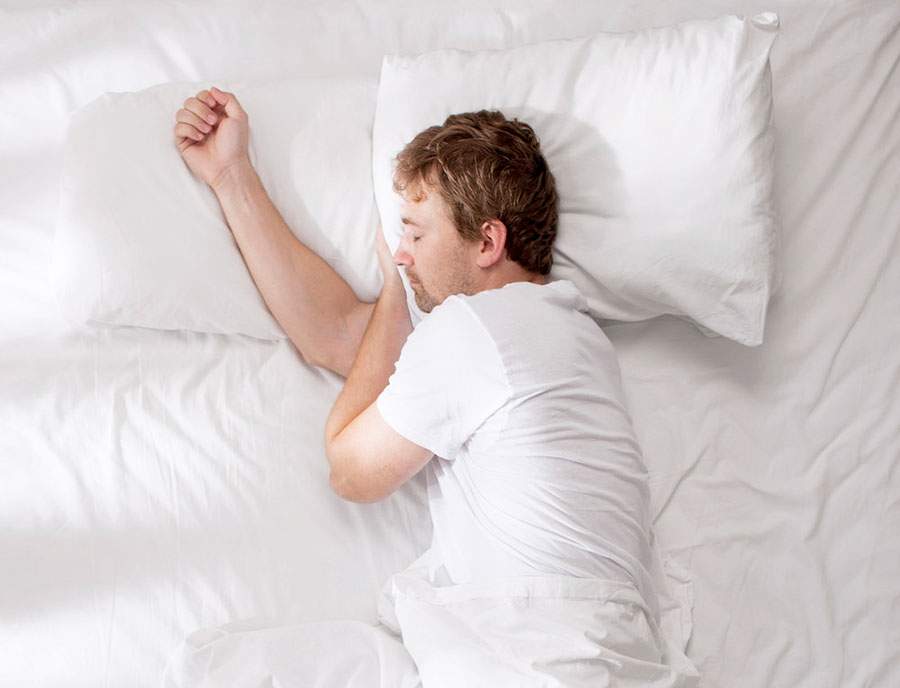
Obstructive sleep apnoea affects the way you breathe during sleep.
The throat narrows to the point where breathing stops completely or becomes very shallow and typically lasts between 10 to 20 seconds.
These events can occur up to hundreds of times a night causing oxygen de-saturation (lack of oxygen).
Due to this lack of oxygen, messages are sent to the brain and you are jolted awake numerous times a night.
See video of sleep apnoea.
What are the signs and symptoms of sleep apnoea?
The most common symptoms are chronic tiredness or fatigue.
However not everybody feels tired in the morning.
The main question to ask yourself are:
- Is it easy for me to fall asleep
- Do I wake up at night a toss and turn
- When I wake up in the morning do I feel fresh or do I still feel tired
- Do I wake up gasping or snoring
- Do I snore
How do I know if I am getting good sleep?
A simple way to find out if you are having good sleep is by scoring yourself with the Epworth Sleepiness Scale.
This is a useful scoring scale but for a full diagnosis an examination, questionnaire and sleep study are also necessary.
What are the risk factors of sleep apnoea?
Anything that causes you throat to be narrow.
- Obesity
- Weight gain
- Family history of OSA
- Alcohol or sedative use
- Smoking
- Increasing age
- Malformation of the orofacial area (underdeveloped or misaligned jaws)
- Abnormalities of the upper airway
- Menopause
- Diabetes
What causes the throat to be narrow so that it causes sleep apnoea?
The throat narrows because of multiple reasons, the common ones being:
- Narrow jaws leading to crooked teeth
- Lots of fat in the neck area (obesity)
- The tone of the muscles of the throat being lower than normal.
- Ingestion of alcohol and sedative medication can relax the muscle tone decrease as well
- Enlarged tonsils and adenoids
- Age can decrease muscle tone
- Certain medical conditions such as hypothyroidism, acromegaly, fused cervical vertebrae, trisomy 21, achondroplasia etc. cause narrowing of the throat.
What could happen if I don’t treat sleep apnoea?
There is a high chance you may develop:
- Heart attack
- Stroke
- Diabetes
- High blood pressure
- Acid reflux disease
- Thyroid disease
- Daytime sleepiness
- Anxiety and Depression
- Lots of other metabolic disorders
- Headaches, migraines etc.
Can children have sleep apnoea?
What are the signs & sypmptoms in children with sleep apnoea?
- Sweating during sleep
- Tossing and turning during sleep
- Wetting the bed
- Has difficulty waking in the morning
- Wakes choking and gasping
- Stops breathing during sleep
- Suffering from headaches during the day but particularly in the morning
- Falling asleep during the day either at school or at home
- Has behavioral problems either at school or at home
- Is aggressive or cranky
- Has ADD/ADHD
- Tooth grinding and/or worn down teeth
- Mouth breaths
- Enlarged tonsils and adenoids
- Dark circles under the eyes
How do we diagnose sleep apnoea?
The best way to diagnose a sleep apnoea is by conducting a sleep study in a hospital.
There are sleep studies you can do at home, however they are not as accurate.
What are the treatments options for sleep apnoea?
The treatment modalities to follow in order should be:
Lifestyle changes:
Lifestyle changes may include such things as:
- Losing weight
- Adding an extra pillow
- Avoiding sleeping on your back
- Avoiding alcohol and/or sedating medications
- Using a nasal spray such as Flonase to clear the nasal passages
CPAP:
- CPAP is the gold standard of treatment.
Oral Appliances:
- There are a variety of oral appliances on the market but our centre predominantly uses Somnomed appliances as they are the best Standard appliances around the world and are backed by research.
Surgery
- Surgery may include removal of tonsils and adenoids, nasal surgery to remove nasal polyps, reduce the turbinates that may have enlarged, deviated septum, UPPP, Laser assisted uvuloplasty, radiofrequency ablation.
Call Us on 02 9025 7644
for more detailed information.
We are ready to assist you.